Mulia Font: Elevating Small Business Brand Identity
Transforming Product Packaging with Mulia Script Handwritten Fonts
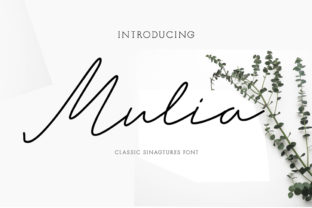
When I first started selling handmade soy candles from my kitchen table, I quickly realized that Mulia is a beautiful monoline signature font that could solve my biggest branding struggle. My product was high quality, but my labels looked amateurish and inconsistent, failing to communicate the premium nature of the wax and fragrance oils I was using. As a small business owner, you know that Fonts are not just decorative elements; they are the silent ambassadors of your brand's value. Switching to Mulia for my candle jar labels and packaging boxes was the turning point that made my products look like they belonged on a boutique shelf rather than a craft fair table.
The natural writing style of this Script Handwritten typeface brought an immediate sense of warmth and authenticity to my packaging design. Unlike stiff, generic scripts that feel mass-produced, Mulia has a fluid rhythm that mimics actual handwriting, which is essential for artisanal brands where the "handmade" aspect is a key selling point. When customers pick up a candle, the typography is often the first tactile and visual connection they have with the maker. Using Mulia allowed me to create a label hierarchy where the scent name felt personal and inviting, while still maintaining enough legibility to be read easily in dimly lit retail environments or on mobile screens during online browsing.
Mulia for Logo Design and Consistent Brand Visuals
Establishing a recognizable logo is crucial for entrepreneurs, and Mulia serves as an exceptional foundation for wordmarks and signature-style logos within the vast category of creative Fonts. When I decided to rebrand my business to appeal to a higher-end demographic, I needed a typeface that balanced elegance with approachability. Mulia’s monoline structure means the stroke width remains consistent throughout every letterform, preventing the logo from looking too heavy or cluttered when scaled down for social media avatars, website favicons, or embossed on tissue paper. This consistency is vital for building trust; when your typography looks polished across every touchpoint, customers subconsciously perceive your business as professional and reliable.
For fellow creators considering this Script Handwritten font for their primary brand mark, it is important to understand its role as a display typeface. Mulia shines brightest when used for short phrases, brand names, or signature accents rather than long blocks of body text. In my own branding journey, I paired Mulia with a clean, geometric sans serif font for product descriptions and ingredient lists. This combination created a sophisticated contrast that guided the customer’s eye: the Mulia script drew them in emotionally, while the supporting sans serif provided the necessary functional information clearly. This strategic pairing transformed my visual identity from chaotic to cohesive, making my marketing materials significantly more effective.
Enhancing Social Media Graphics and Digital Marketing with Mulia
In the digital marketplace, grabbing attention in a crowded feed is a daily challenge, and incorporating Mulia into your social media templates can dramatically improve engagement rates for lifestyle and beauty brands. When I refreshed my Instagram strategy, I stopped using standard system fonts and began overlaying Mulia onto my product photography and Reels covers. The classy touch mentioned in the product description isn't just marketing fluff; it translates directly to perceived value in digital spaces. A quote graphic or a new product announcement featuring this Script Handwritten style feels inherently more shareable and save-worthy than one set in a basic bold sans serif, because it evokes the feeling of receiving a personal note rather than viewing an advertisement.
Readability on mobile devices is a non-negotiable factor when selecting Fonts for digital content, and Mulia strikes a surprisingly effective balance between artistic flair and screen-friendly clarity. Because it is a monoline signature font, it avoids the extreme thick-and-thin contrasts that often disappear or pixelate on smaller displays. I found that using Mulia for headlines on Pinterest pins and Instagram Stories increased my click-through rates because the text remained crisp and legible even at thumbnail size. For small business owners managing their own marketing, this means you can create professional-looking graphics without needing advanced design skills; the font itself does the heavy lifting of adding texture and personality to flat digital images.
Creating Elegant Menus and Thank You Cards Using Mulia
Beyond digital spaces, physical collateral like café menus, bakery signage, and unboxing experiences benefit immensely from the organic flow of Mulia within the broader landscape of premium Fonts. When a local café client asked me to help redesign their seasonal menu, we chose Mulia specifically for the drink titles and special highlights. The natural writing style creates a sense of culinary craftsmanship that standard typography simply cannot replicate. It signals to the customer that care has been taken in both the preparation of the food and the presentation of the menu. Similarly, for e-commerce sellers, printing thank-you cards in Mulia transforms a routine transactional insert into a memorable brand moment that encourages repeat purchases and user-generated content.
However, practical application requires understanding the technical limitations and best practices of this Script Handwritten typeface in print production. When designing business cards or packaging tags, always test your Mulia layouts at actual print size before committing to a full run. While the font is beautifully legible, intricate ligatures or tight spacing may need adjustment depending on the paper stock and printing method. I recommend checking the included alternates and multilingual support files to ensure the specific characters you need for your niche are available. Furthermore, verifying commercial licensing is a critical step for any entrepreneur; ensuring you have the right license for merchandise, templates, or client work protects your business legally and supports the type designer who created this valuable asset.
Pairing Mulia with Modern Typography for Professional Layouts
Achieving a polished brand aesthetic often depends less on the display font itself and more on how well it interacts with other Fonts in your typographic system. Mulia acts as a versatile anchor that pairs exceptionally well with minimalist modern typography to prevent designs from feeling overly vintage or fussy. In my experience updating product packaging for a skincare line, combining Mulia with a lightweight serif font created a luxurious, editorial look that communicated both natural ingredients and scientific efficacy. The key is to let Mulia breathe; give it ample negative space and avoid placing it directly against busy backgrounds or complex illustrations. This restraint allows the beautiful monoline signature details to stand out as the focal point of the design.
Ultimately, choosing Mulia is about investing in a visual voice that resonates with your target audience while streamlining your design workflow. Whether you are labeling jam jars, designing wedding stationery, or creating YouTube thumbnails, this Script Handwritten font offers a unique blend of personality and professionalism that is hard to find in free alternatives. It bridges the gap between DIY charm and agency-level polish, empowering small business owners to elevate their brand perception without hiring expensive designers. By thoughtfully integrating Mulia into your logos, packaging, and digital assets, you create a consistent, trustworthy, and visually delightful experience that turns casual browsers into loyal customers who recognize your brand at a glance.